
The Importance of Hajj
Religious significance, historical origins, an overview of the rites, and preparation
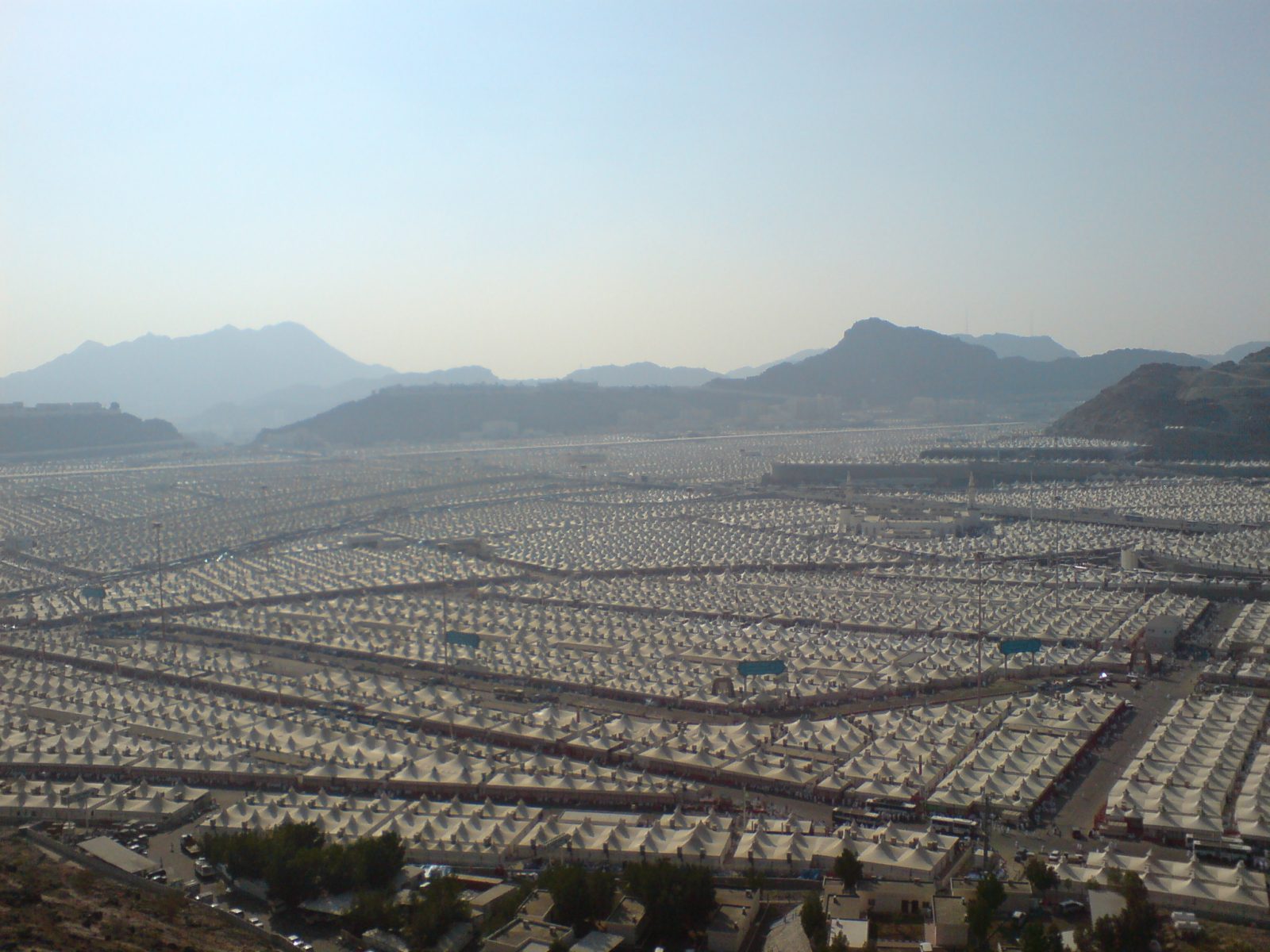
Hajj is the annual Islamic pilgrimage to Makkah, the fifth of the Five Pillars of Islam. Islamic teaching holds it obligatory, once in a lifetime, for Muslims who have istita'ah — the physical health and financial means to perform it without hardship to those who depend on them. This page gives a religious and historical overview of Hajj; it is not official pilgrimage guidance, and it is kept separate from any hotel or booking information.
Historical and traditional origins
Islamic tradition associates the rites of Hajj with the Prophet Ibrahim (Abraham) — commanded, according to that tradition, to build the Kaaba and call people to pilgrimage — and with Hagar's search for water for her infant son Ismail (Ishmael), commemorated in the rite of sa'i. These are matters of religious tradition rather than independently verifiable history. What is documented is the Prophet Muhammad's own pilgrimage in 632 CE, known as the Farewell Pilgrimage (Hajjat al-Wada), which is understood to have established the pattern followed by Hajj today.
When Hajj takes place
Hajj occurs on fixed dates in the Islamic (lunar) calendar — from the 8th to the 12th or 13th of Dhul Hijjah, the final month of the year — with the 9th, the Day of Arafah, considered the central day of the pilgrimage. Because the Islamic calendar is lunar, these dates shift roughly 10–11 days earlier each Gregorian year. This page does not state a specific upcoming Gregorian date, since it changes annually — check the Nusuk platform or your national Hajj authority for the confirmed current-year dates.
An overview of the rites
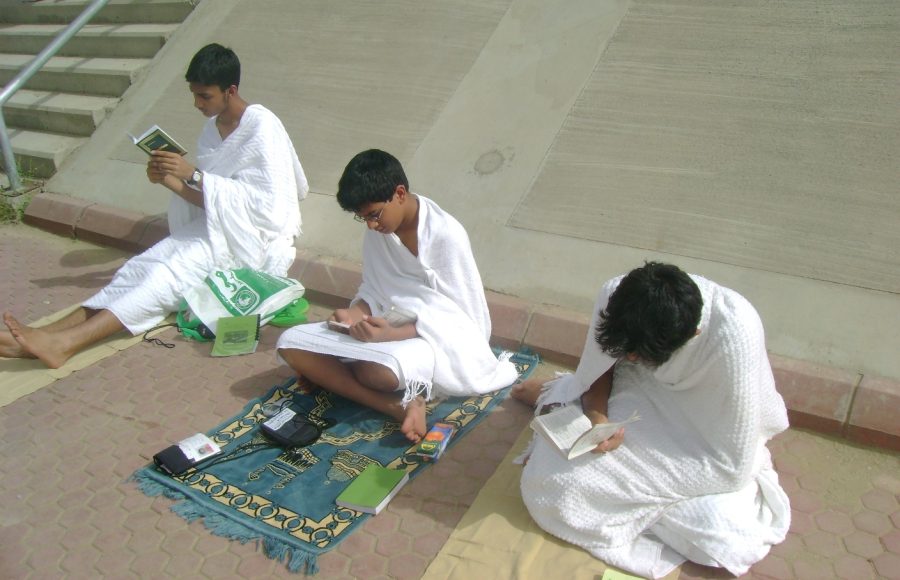
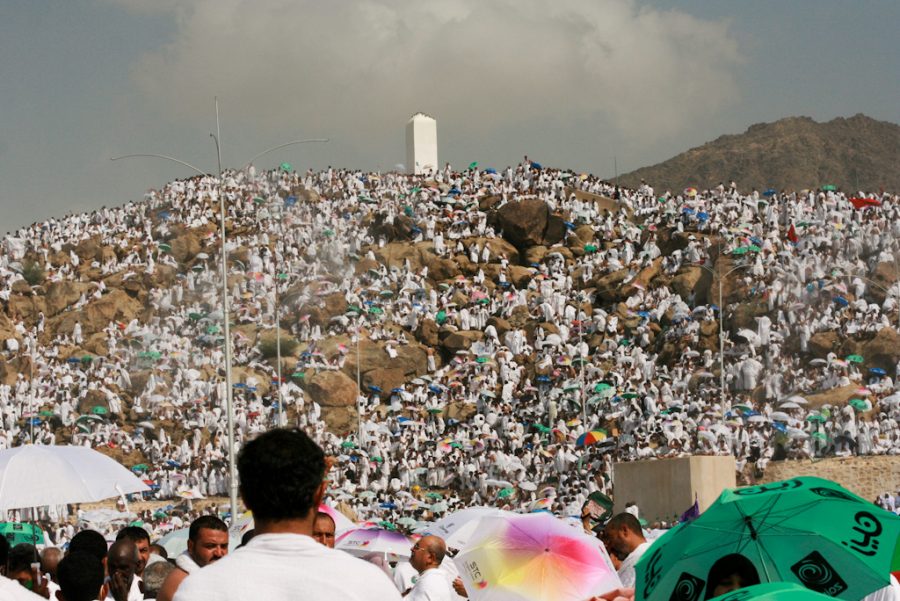
This is a general orientation to the sequence of Hajj, not a step-by-step ritual manual. Pilgrims enter ihram — a state of ritual consecration, marked by specific dress and conduct — at a designated boundary point (miqat) before reaching Makkah. The core sequence includes tawaf (circumambulation of the Kaaba) and sa'i between the hills of Safa and Marwah; standing at Arafat (wuquf) on the 9th, widely regarded as the central rite; an overnight stay at Muzdalifah; the symbolic stoning of the Jamarat at Mina; an animal sacrifice; and a concluding tawaf. Pilgrims typically remain at Mina for the following Days of Tashreeq.
| Stage | What it involves |
|---|---|
| Ihram | Entering a state of ritual consecration at a designated boundary point before Makkah |
| Tawaf & sa'i | Circumambulating the Kaaba; walking between Safa and Marwah |
| Arafat (9th Dhul Hijjah) | Standing at Arafat from noon to sunset — widely regarded as the central rite |
| Muzdalifah | An overnight stay, and collecting pebbles for the following rite |
| Mina | The symbolic stoning of the Jamarat, animal sacrifice, and the Days of Tashreeq |
Scale and preparation
Recent years have seen roughly 1.6–2.5 million pilgrims perform Hajj annually, though the number varies year to year with country quotas and other factors — check official sources for current figures rather than relying on a fixed number here. Saudi Arabia requires proof of meningococcal (ACWY) vaccination for all pilgrims as a standard entry health requirement; extended walking and standing in high heat is also a real physical demand, and heat-related risks have been reported in past years. Hajj visas are issued through a country-quota system, typically coordinated through Nusuk and each country's national Hajj authority; performing Hajj outside these official channels is against Saudi regulations, and authorities have taken enforcement action against unauthorized operators in the past. Health requirements, quotas, and visa procedures can change — always verify current rules directly with official sources before making any plans.
Frequently asked questions
What is istita'ah?
Istita'ah refers to the physical and financial capability Islamic teaching requires before Hajj becomes obligatory on an individual — someone without the health or means to perform it, or whose dependants would face hardship, is not considered obligated to go.
Is Hajj the same as Umrah?
No. Hajj has fixed dates and additional rites (Arafat, Muzdalifah, Mina) that Umrah does not include. See our separate Umrah guide for the differences.
Do I need an official visa to perform Hajj?
Yes. Hajj is administered through a country-quota and official visa system, typically coordinated via Nusuk and your national Hajj authority. Performing Hajj outside these official channels is against Saudi regulations.
What health requirements apply?
Saudi Arabia has required proof of meningococcal vaccination for pilgrims; other requirements can apply and may change. Check current health guidance on the Nusuk platform before travelling.
Sources & further reading
Content verified: 2026-09-23