
The Importance of Umrah
Spiritual significance, the rites, how Umrah differs from Hajj, and preparation
Umrah is a pilgrimage to Makkah that can be performed at any time of year, sometimes called the "lesser pilgrimage." Unlike Hajj, it is not one of the Five Pillars of Islam, though Islamic scholars hold differing views — discussed below — on whether performing it at least once is religiously obligatory. This page gives a religious and general overview of Umrah; it is not official pilgrimage guidance, and it is kept separate from any hotel or booking information.
The rites of Umrah
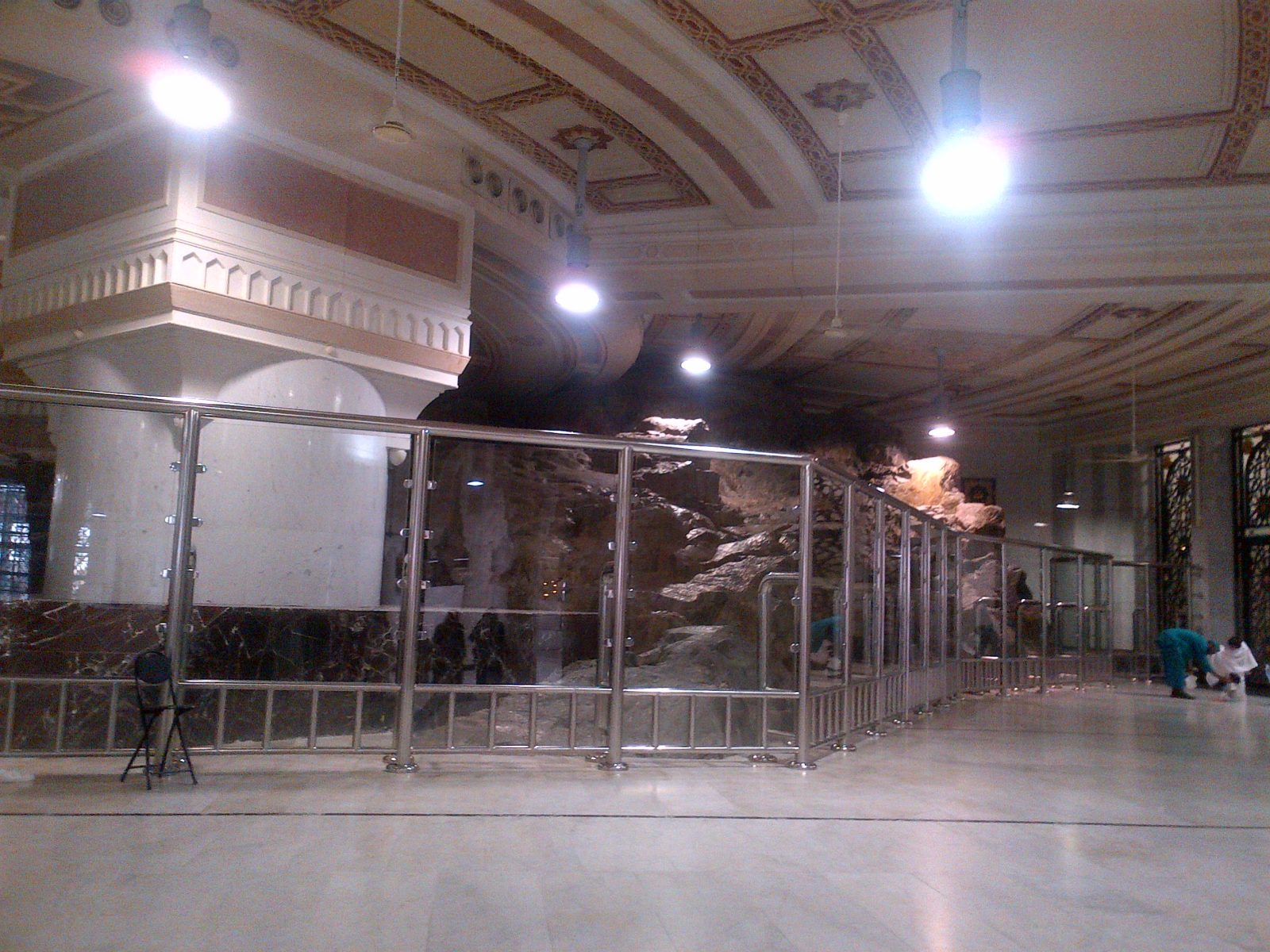
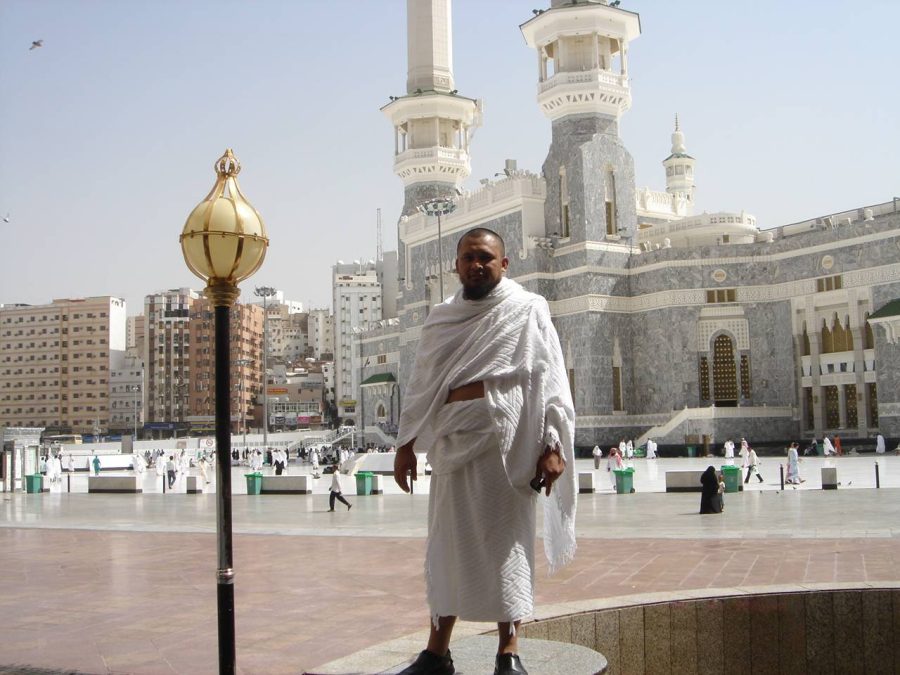
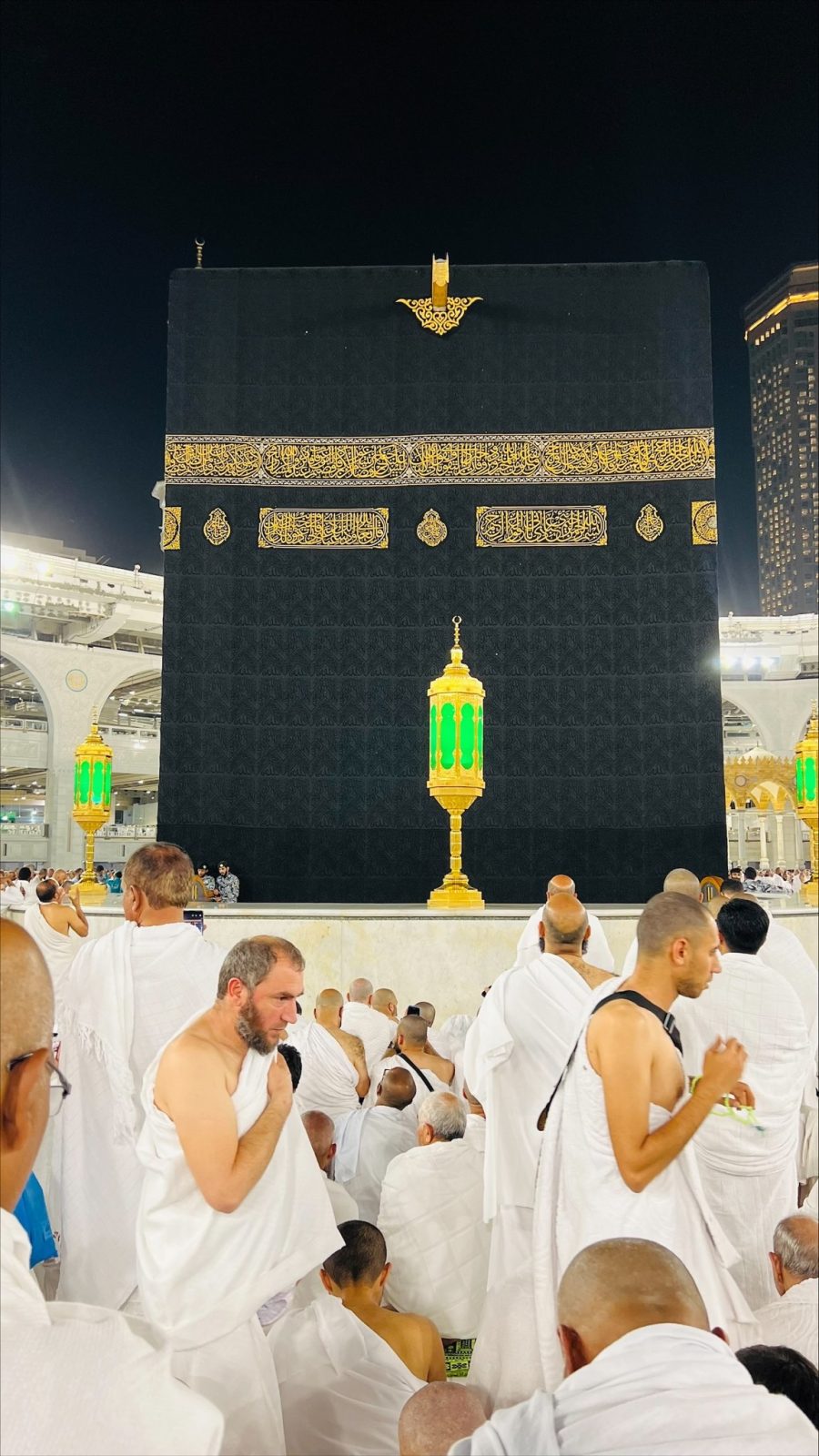
Pilgrims enter ihram — a state of ritual consecration — at a designated miqat boundary point, then perform tawaf (seven circuits of the Kaaba) and sa'i (walking between the hills of Safa and Marwah seven times, a rite Islamic tradition links to Hagar's search for water for her infant son Ismail). Umrah concludes with halq or taqsir — shaving or trimming the hair — which ends the state of ihram. The whole sequence typically takes a few hours, far shorter than Hajj.
Is Umrah obligatory? Scholars disagree
Islamic scholars are genuinely divided on this question, and this page presents both positions rather than favouring one. The Hanafi and Maliki schools of Sunni jurisprudence generally hold that Umrah is a strongly recommended practice (sunnah mu'akkadah) rather than an obligation. The Shafi'i and Hanbali schools generally hold that Umrah is obligatory (wajib) at least once in a lifetime for those who are capable, citing the Quranic instruction to "complete the Hajj and Umrah in the service of God" (Quran 2:196). Some scholars also distinguish between residents of Makkah and non-residents when applying this obligation. This summary covers the four Sunni schools of jurisprudence; it does not state a Shia (Jafari) position, which was not able to be verified with confidence for this page.
How Umrah differs from Hajj
Umrah has no fixed calendar dates and can be performed at any time of year, whereas Hajj occurs only on specific dates in Dhul Hijjah. Umrah's rites are a subset of Hajj's: it does not include standing at Arafat, the overnight stay at Muzdalifah, the stoning of the Jamarat at Mina, or an animal sacrifice requirement. It is correspondingly much shorter. Performing Umrah is not a substitute for Hajj, and completing Umrah does not fulfil the separate obligation of Hajj for those on whom Hajj is obligatory. See our separate Hajj guide for more on Hajj specifically.
Historical and traditional origins
As with Hajj, Islamic tradition links Umrah's rites to Ibrahim (Abraham) and Ismail (Ishmael) — a matter of religious tradition, not independently verifiable history. A documented historical episode is the Prophet Muhammad's Umrat al-Qada in 629 CE, performed the year after the Treaty of Hudaybiyyah had granted Muslims access to visit the Kaaba. Islamic tradition also holds that performing Umrah during Ramadan carries special additional merit; this page states that as a matter of belief, not as a documented or independently verifiable fact.
Preparation and visitor considerations
Umrah visas are generally more flexible to obtain than Hajj visas and are administered through Nusuk, the Ministry of Hajj and Umrah's platform; Umrah is also less strictly limited by country quotas than Hajj, though rules can change and should be checked directly. Practical preparation is similar to Hajj on a smaller scale: appropriate ihram clothing, reasonable physical readiness for walking in heat, and checking current health requirements before travelling.
Frequently asked questions
Is Umrah obligatory?
Islamic scholars disagree. The Hanafi and Maliki schools generally consider it strongly recommended but not obligatory; the Shafi'i and Hanbali schools generally consider it obligatory once in a lifetime for those who are capable. This page presents both views rather than choosing one.
Can I perform Umrah at any time of year?
Yes — unlike Hajj, Umrah has no fixed dates and can be performed at any time (subject to Saudi entry/visa rules, which can vary during the Hajj season itself).
Does performing Umrah fulfil my Hajj obligation?
No. Umrah and Hajj are separate acts of worship with different rites; performing Umrah does not substitute for Hajj for someone on whom Hajj is obligatory.
Do I need a special visa for Umrah?
Yes, an Umrah-specific or eligible visa is required, generally administered through the Nusuk platform. Requirements can change, so check current rules directly before travelling.
Sources & further reading
- Nusuk — official Ministry of Hajj & Umrah platform
- Wikipedia — Umrah
- Dar al-Ifta (Egypt) — The Umrah: Rulings and Rites
Content verified: 2026-09-23