
Makkah: Places to Visit
An illustrated directory of sacred, historical and Hajj-season sites

This directory introduces the most significant places in and around Makkah: the Grand Mosque itself, historically and religiously significant sites within the city, and locations tied to the Hajj season a few kilometres outside the urban centre. Each entry is a short introduction, not a full guide — where a dedicated page exists, it's linked below. Every place on this list is inside the city of Makkah or its immediate outskirts, and therefore off-limits to non-Muslims, consistent with the citywide restriction covered on the Makkah city guide.
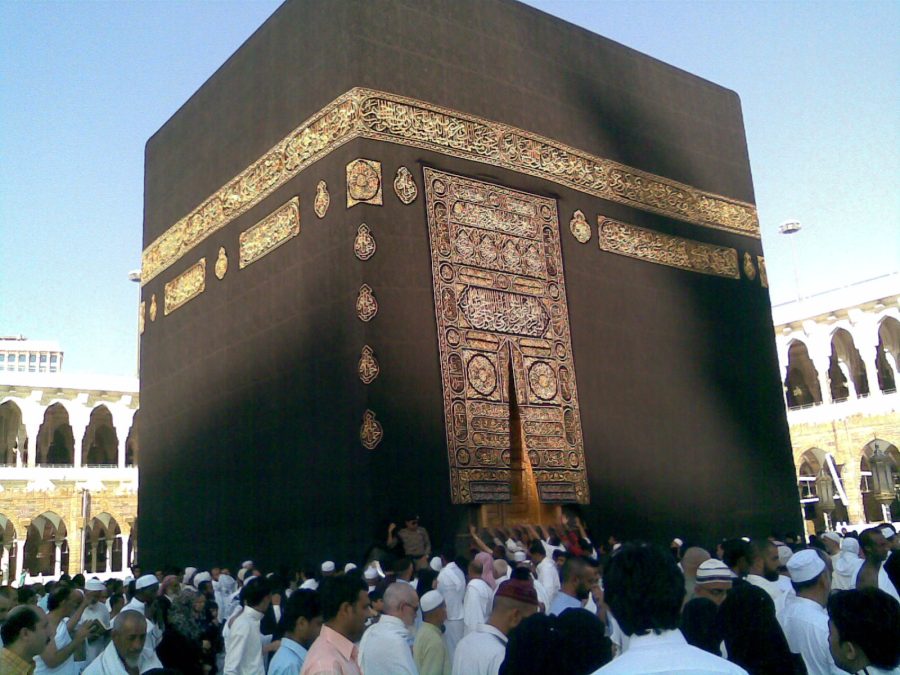
Masjid al-Haram (Mosque)
The Grand Mosque, built around the Kaaba, is Islam's holiest site and the mosque every visitor to Makkah will see. See our full guide to visiting Masjid al-Haram for history, etiquette, accessibility and orientation.
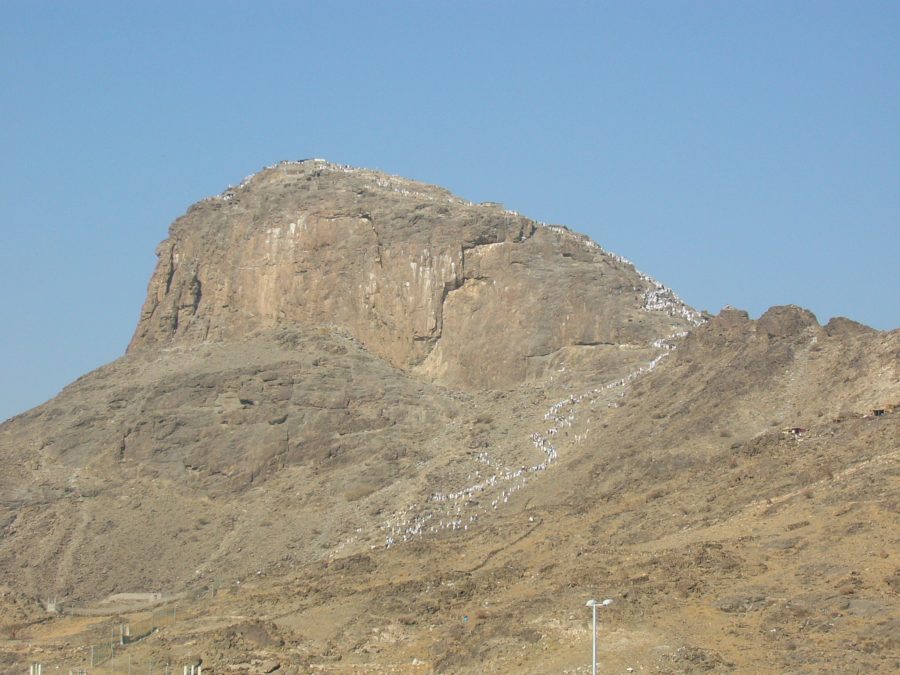
Jabal al-Noor and the Cave of Hira (Historical/religious site)
A mountain on Makkah's outskirts containing the Cave of Hira, which Islamic tradition associates with the Prophet Muhammad's first revelation in 610 CE. It remains a site pilgrims climb to visit, outside the Haram mosque itself — see our Makkah city guide for more context on its religious significance.
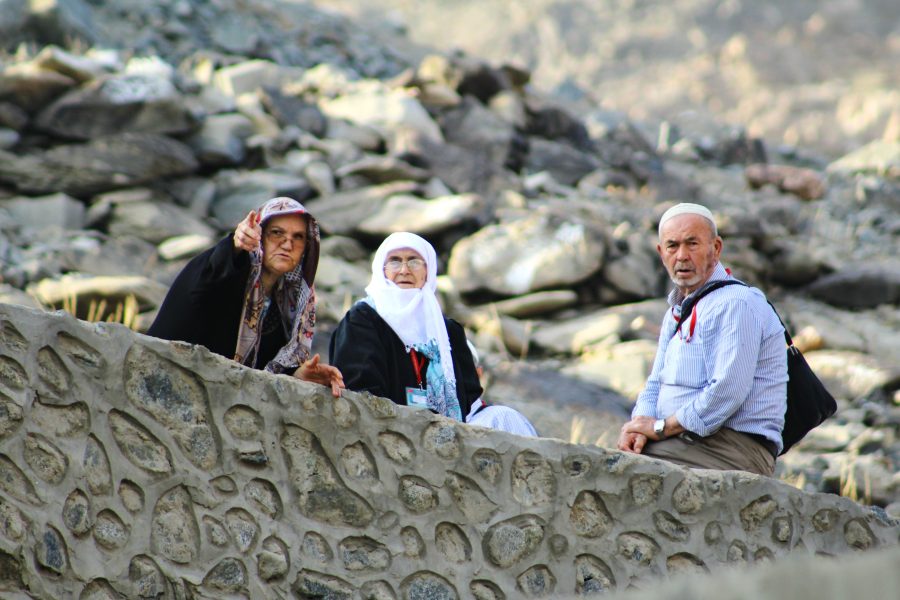
Jabal Thawr (Historical/religious site)
A mountain roughly 8 km south of Masjid al-Haram containing Ghar Thawr (the Cave of Thawr), which Islamic tradition holds sheltered the Prophet Muhammad and Abu Bakr for three days during the Hijrah in 622 CE — a matter of tradition, not independently documented history. The site is freely accessible, but reaching the cave requires a steep, rocky climb reported to take roughly 1.5–2 hours up; there is little shade, so this is a serious hike, not a casual visit.
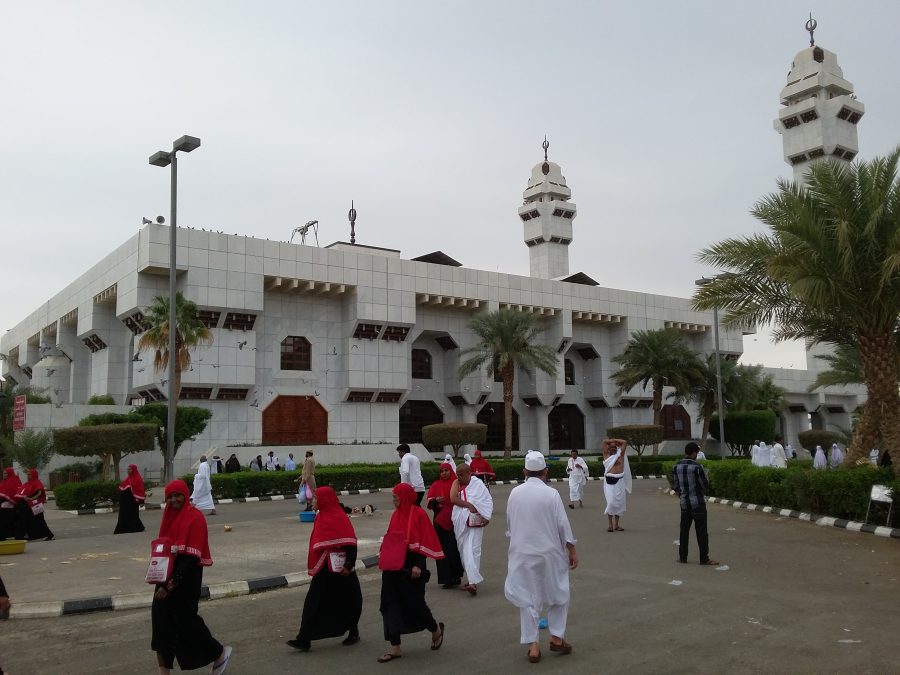
Masjid Aisha / Masjid at-Tan'im (Mosque)
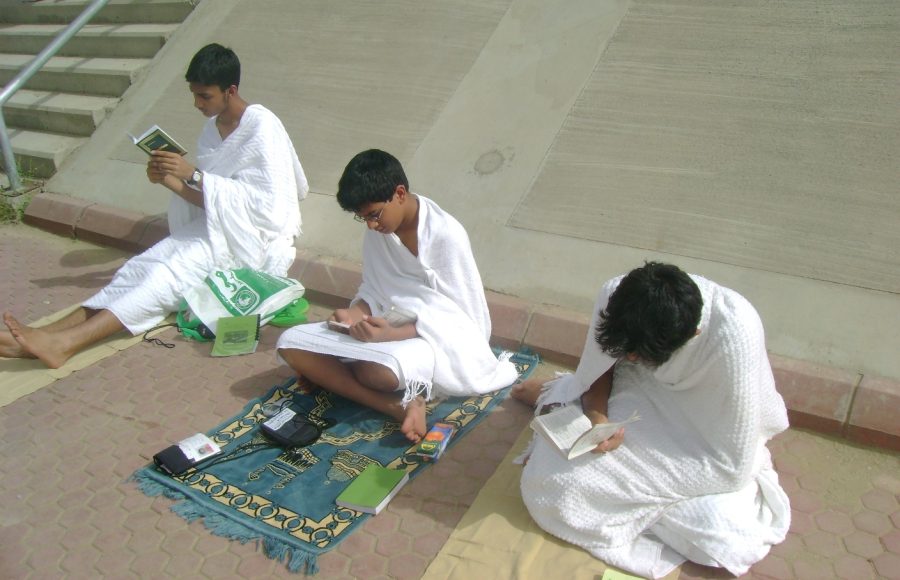
A mosque roughly 8 km from the Kaaba marking a miqat — a boundary point where pilgrims already inside Makkah enter ihram to perform Umrah, since they aren't arriving from outside the city. Islamic tradition associates it with the Prophet's wife Aisha; Wikipedia itself describes this connection as coming through religious jurisprudence rather than historical documentation. The mosque includes facilities for pilgrims preparing to enter ihram.
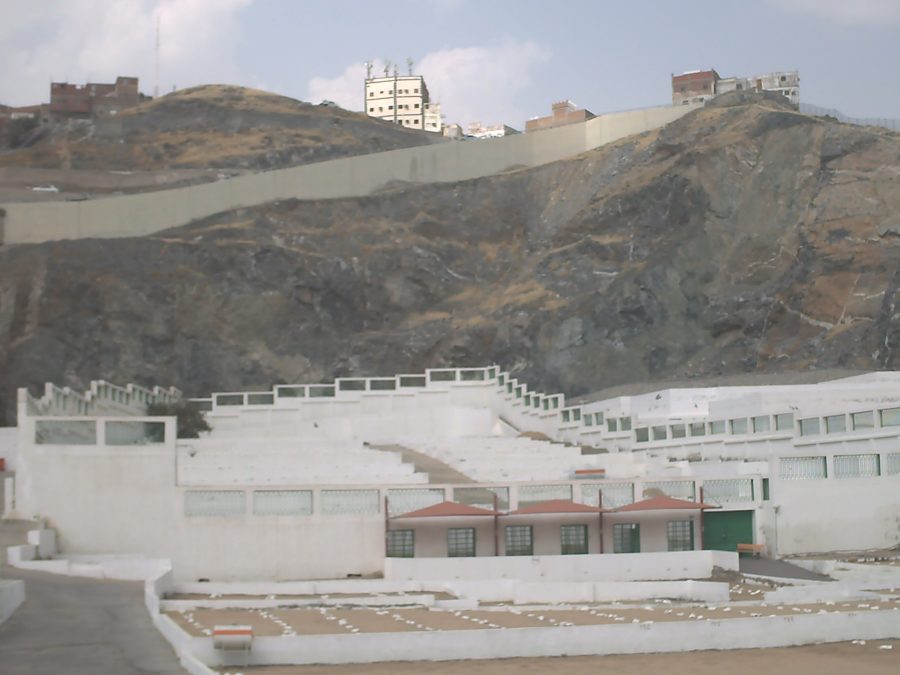
Jannat al-Mu'alla (Cemetery)
A historic cemetery north of Masjid al-Haram, traditionally held to be the burial place of several of the Prophet's family members. Many tomb structures here were removed in 1925–26 as part of the Saudi state's religious reforms — a documented event. Visiting customs commonly reported (though not confirmed via a primary official source) include limiting entry to men and minimizing photography out of respect; treat this as general etiquette guidance rather than a stated formal rule.
Mina (Hajj-season site)
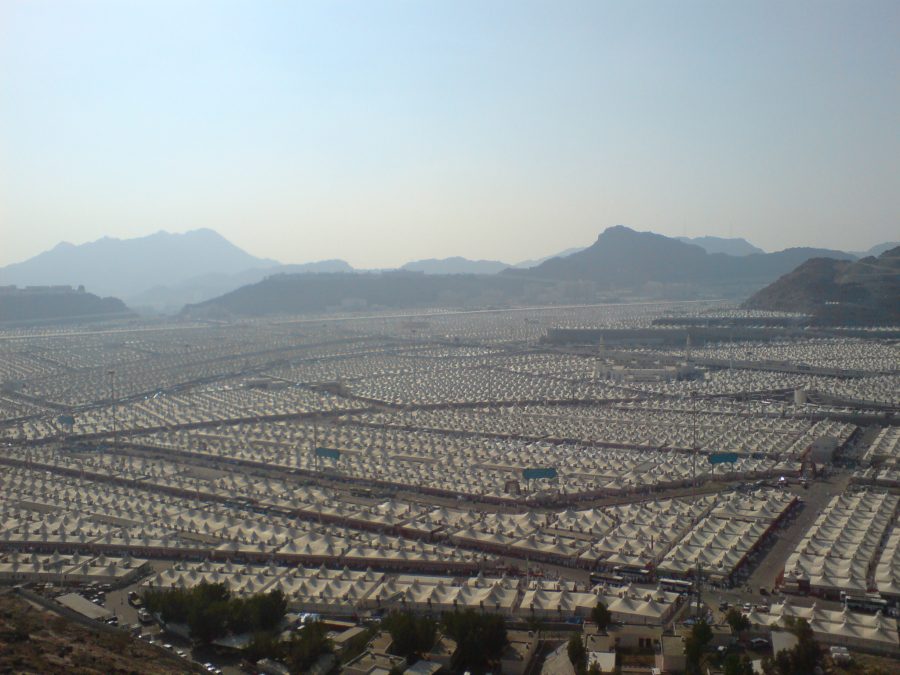
A valley a few kilometres from central Makkah where pilgrims stay in a large tent city during the Days of Tashreeq of Hajj, and where the ritual stoning of the Jamarat takes place. See our Hajj guide for the rites performed here. Mina is meaningfully outside the everyday urban centre and its facilities are geared specifically to the Hajj season.
Arafat and Jabal al-Rahmah (Hajj-season site)
The plain of Arafat, a short distance from Makkah, is where pilgrims stand (wuquf) on 9 Dhul Hijjah — widely regarded as the central rite of Hajj. Jabal al-Rahmah is a granite hill on the plain associated with the Prophet's Farewell Sermon. See our Hajj guide for more on this rite. Like Mina, this is a Hajj-season site rather than a year-round attraction.
Abraj Al Bait / The Clock Tower (Landmark)
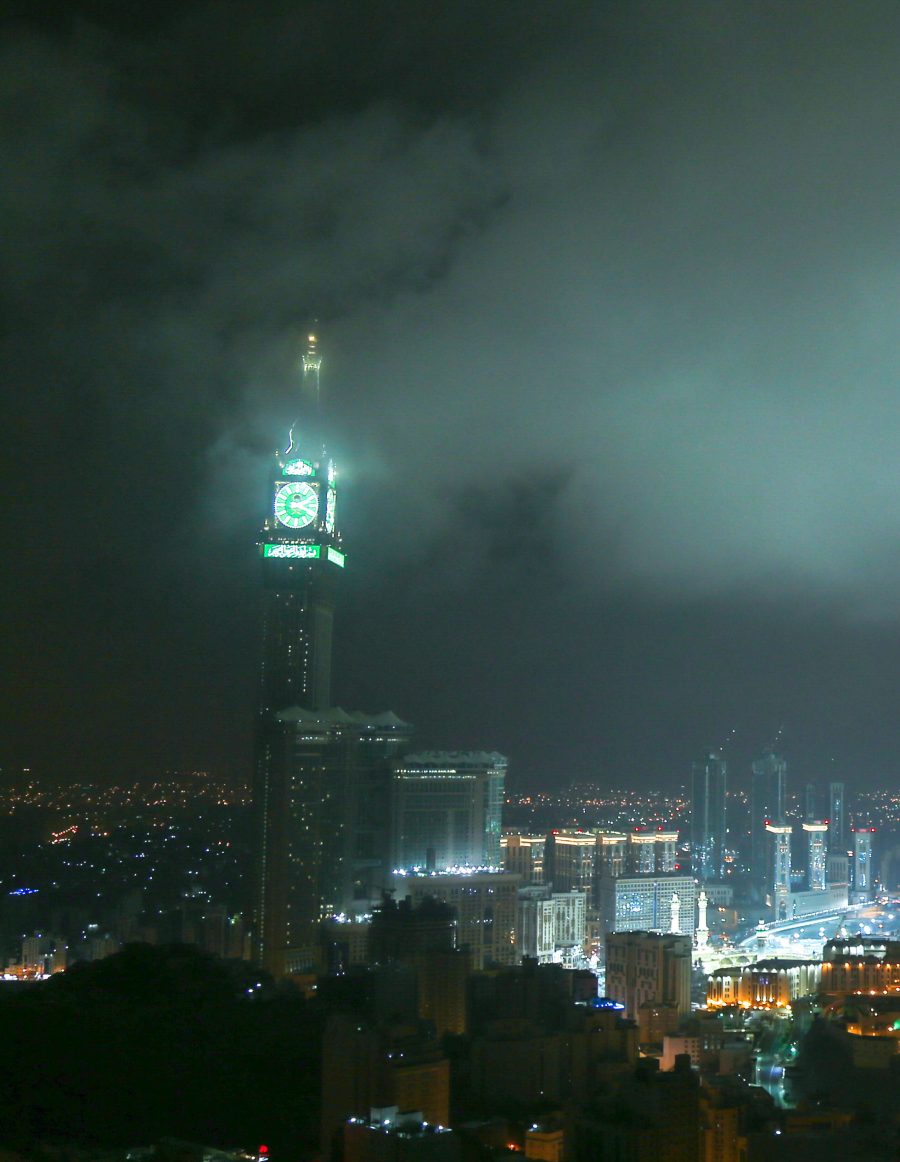
The clock tower complex directly beside Masjid al-Haram is Makkah's most visible modern landmark, housing hotels with views over the Kaaba. See our Makkah city guide for its role in the city's layout and orientation.
Frequently asked questions
Can I visit all of these places outside the Hajj season?
Most, yes — Masjid al-Haram, Jabal al-Noor, Jabal Thawr, Masjid Aisha, Jannat al-Mu'alla and Abraj Al Bait are accessible year-round. Mina and Arafat's facilities are specifically geared to the Hajj period, though the sites themselves exist year-round.
Are these historical visits part of the Hajj or Umrah rites?
No — visiting places like Jabal al-Noor or Jabal Thawr is a matter of historical and personal interest, not a rite of Hajj or Umrah. Only Masjid al-Haram, Mina and Arafat are directly tied to pilgrimage rites, as covered on our Hajj guide.
Do I need special permission to visit any of these sites?
All are within Makkah, so the citywide non-Muslim restriction applies to everyone. Beyond that, no special permit is generally required, though access at Mina and Arafat is tightly managed during the Hajj season itself.
Sources & further reading
- Nusuk — official Ministry of Hajj & Umrah platform
- Wikipedia — Jabal Thawr
- Wikipedia — Jannat al-Mu'alla
- Wikipedia — Masjid at-Taneem
Content verified: 2026-09-23