
Visiting Masjid al-Haram
History, the Kaaba, etiquette, accessibility and orientation for visitors
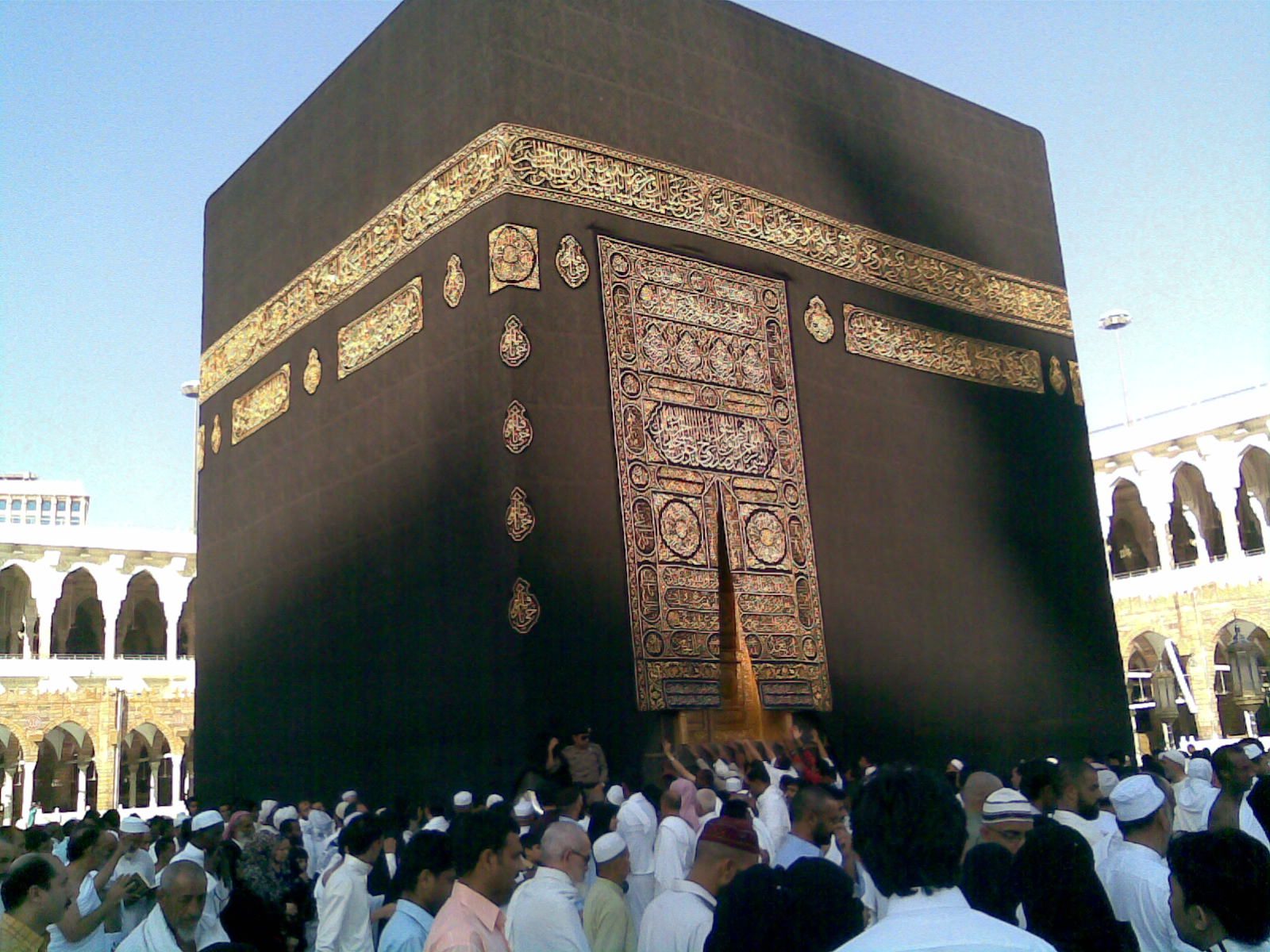
Masjid al-Haram — the Grand Mosque — is the mosque built around the Kaaba in Makkah, and the largest mosque in the world. This guide covers its history, the sacred features inside it, etiquette for visitors, accessibility, and how the mosque is laid out. It does not repeat the city-level history and religious significance already covered on the Makkah city guide — see that page for the broader picture.
The mosque, the Kaaba, and the mataf: what's the difference?
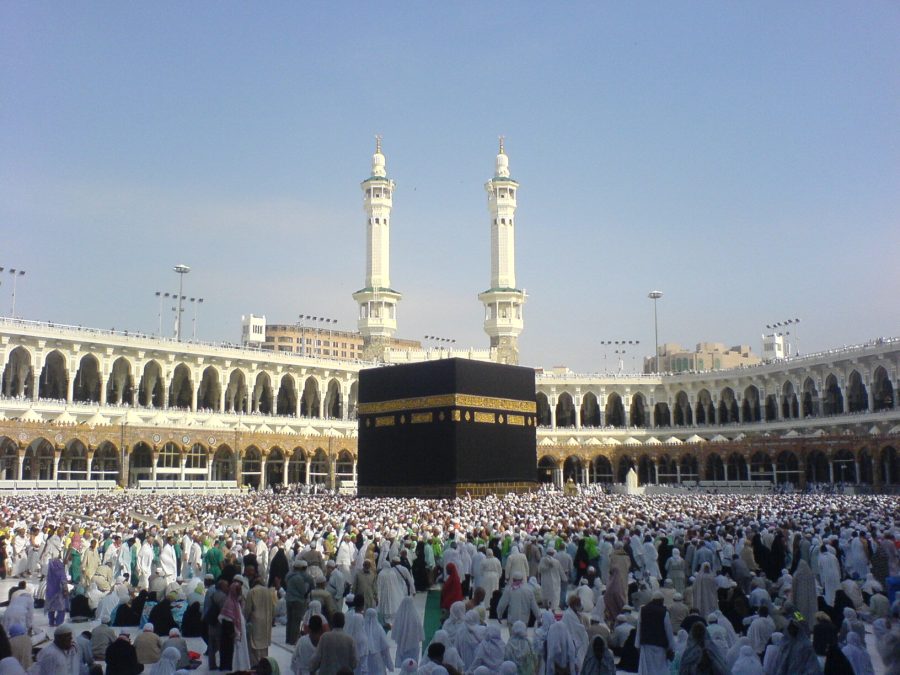
Masjid al-Haram is the mosque complex as a whole — the buildings, prayer floors, courtyards and minarets. The Kaaba is the cuboid stone structure at its centre, the qibla toward which Muslims pray worldwide. The mataf is the paved, open area immediately surrounding the Kaaba where pilgrims perform tawaf (circumambulation). The wider sacred precinct — the Haram boundary around the city of Makkah itself — is a separate, larger concept covered on the Makkah city guide, not specific to this mosque.
History and expansion
The mosque grew from a walled enclosure built around the Kaaba under Caliph Umar in the mid-7th century into today's multi-level complex. Its largest pre-Saudi expansion came under the Abbasid caliphs al-Mahdi and al-Hadi in the 8th century; the Ottomans added further structure in the 17th century. Since the 1950s, successive Saudi-era expansions — most recently the King Abdullah Expansion, announced in 2008 and carried out in phases — have added multiple prayer floors, a significantly enlarged mataf, and climate-controlled spaces. Today the complex covers roughly 356,000 m² and is commonly cited as having 13 minarets. Reported worshipper capacity varies by source and by year as expansion phases complete — treat any single figure (including ones on this page) as approximate rather than a precise current statistic.
The Black Stone, Maqam Ibrahim and the Zamzam Well
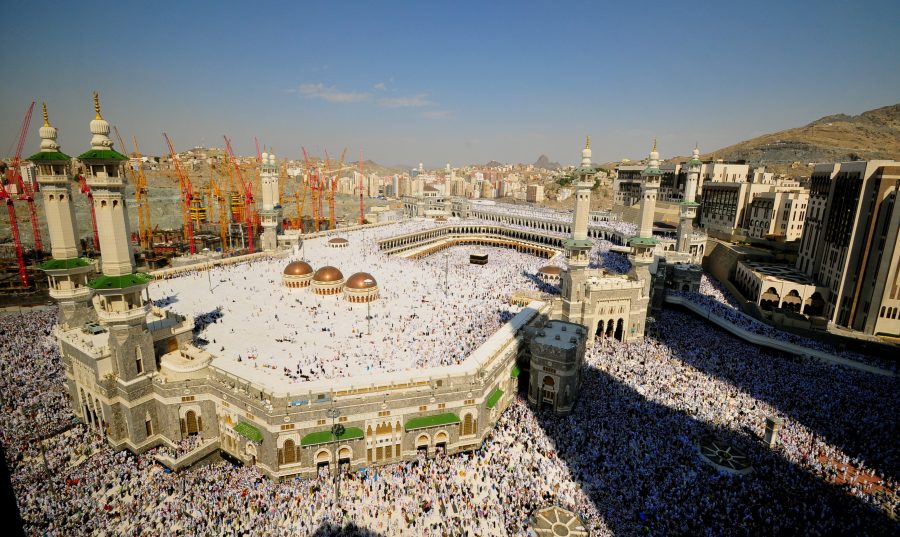
Set into the Kaaba's eastern corner is the Black Stone (Hajar al-Aswad), several fragments held in a silver frame. Islamic tradition holds it fell from heaven; during tawaf, pilgrims traditionally try to touch or kiss it, though this is a devotional practice rather than an obligation, and is often not physically possible given crowd size. Nearby stands the Maqam Ibrahim (Station of Ibrahim), a small enclosed structure which tradition associates with the Prophet Ibrahim; it is the only historic structure still standing within the mataf, other markers having been removed as the circumambulation area was progressively enlarged. The Zamzam Well lies about 20 m east of the Kaaba; its water is now distributed through taps and coolers throughout the complex rather than drawn manually.
Etiquette for visitors
Dress modestly. Pilgrims in ihram wear two unstitched white cloths (men) or any modest, non-transparent covering (women — not required to be white). Tawaf is performed counter-clockwise, keeping the Kaaba on your left. Personal photography is generally tolerated if it doesn't disrupt others, but avoid stopping mid-tawaf to take photos, and drones are prohibited for the general public. As in any mosque, keep phones silent, avoid eating or drinking inside, and be mindful of the crowd density, especially near the mataf and the Black Stone corner.
| Situation | Guidance |
|---|---|
| Direction of tawaf | Counter-clockwise, Kaaba on your left |
| Dress | Modest for all visitors; specific ihram garments for pilgrims performing Hajj/Umrah |
| Photography | Personal photos generally tolerated if not disruptive; drones prohibited |
| Touching the Black Stone | A traditional devotional practice, not an obligation — often not possible in heavy crowds |
Accessibility
The mosque includes dedicated prayer halls, wheelchair ramps, marked accessible paths, and free electric and manual carts for people with limited mobility, added as part of past expansion phases. If you need mobility assistance, ask mosque staff at any gate on arrival.
Orientation: gates and layout
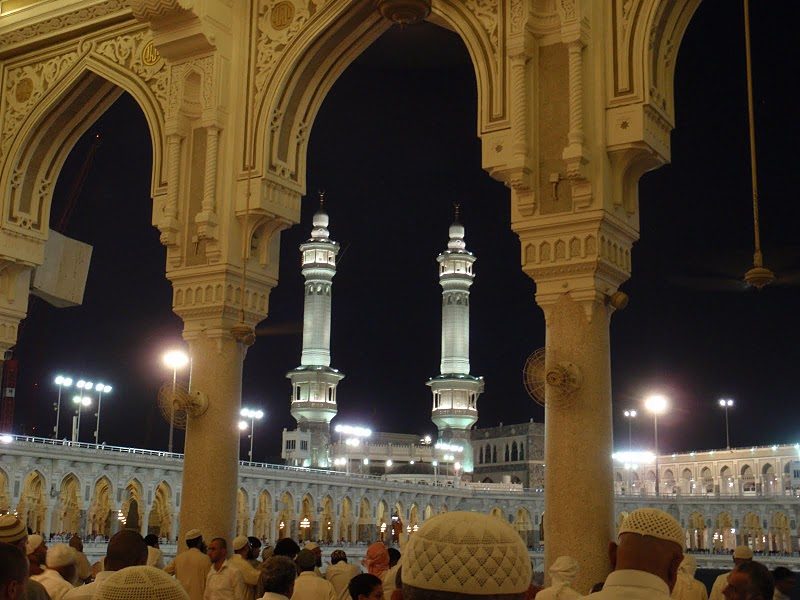
The mosque has five main named gates, each flanked by twin minarets, plus numerous smaller entrances — exact total gate counts vary between sources, so this page doesn't state a single precise number. Inside, prayer space is spread across the ground-floor mataf area and several upper floors and roof terraces, which open during peak prayer times and the Hajj/Ramadan seasons to accommodate larger crowds.
Frequently asked questions
What is the difference between Masjid al-Haram and the Kaaba?
Masjid al-Haram is the mosque complex as a whole; the Kaaba is the cuboid structure at its centre, around which the mosque was built.
Do I need to be in ihram to enter Masjid al-Haram?
No — ihram is specific to pilgrims performing Hajj or Umrah. Other visitors are expected to dress modestly but are not required to wear ihram garments.
Is photography allowed inside the mosque?
Personal, non-disruptive photography is generally tolerated, but avoid stopping mid-tawaf to take photos, and drones are prohibited for the general public. Rules can be enforced differently at busy times — follow on-site staff instructions.
Can I touch the Black Stone?
Touching or kissing the Black Stone during tawaf is a traditional devotional practice, not a religious obligation, and is often physically impossible given crowd density — many pilgrims instead gesture toward it from a distance.
Sources & further reading
Content verified: 2026-09-23