
Madinah: A Guide to Islam's Second-Holiest City
History, religious significance, geography and practical visitor information
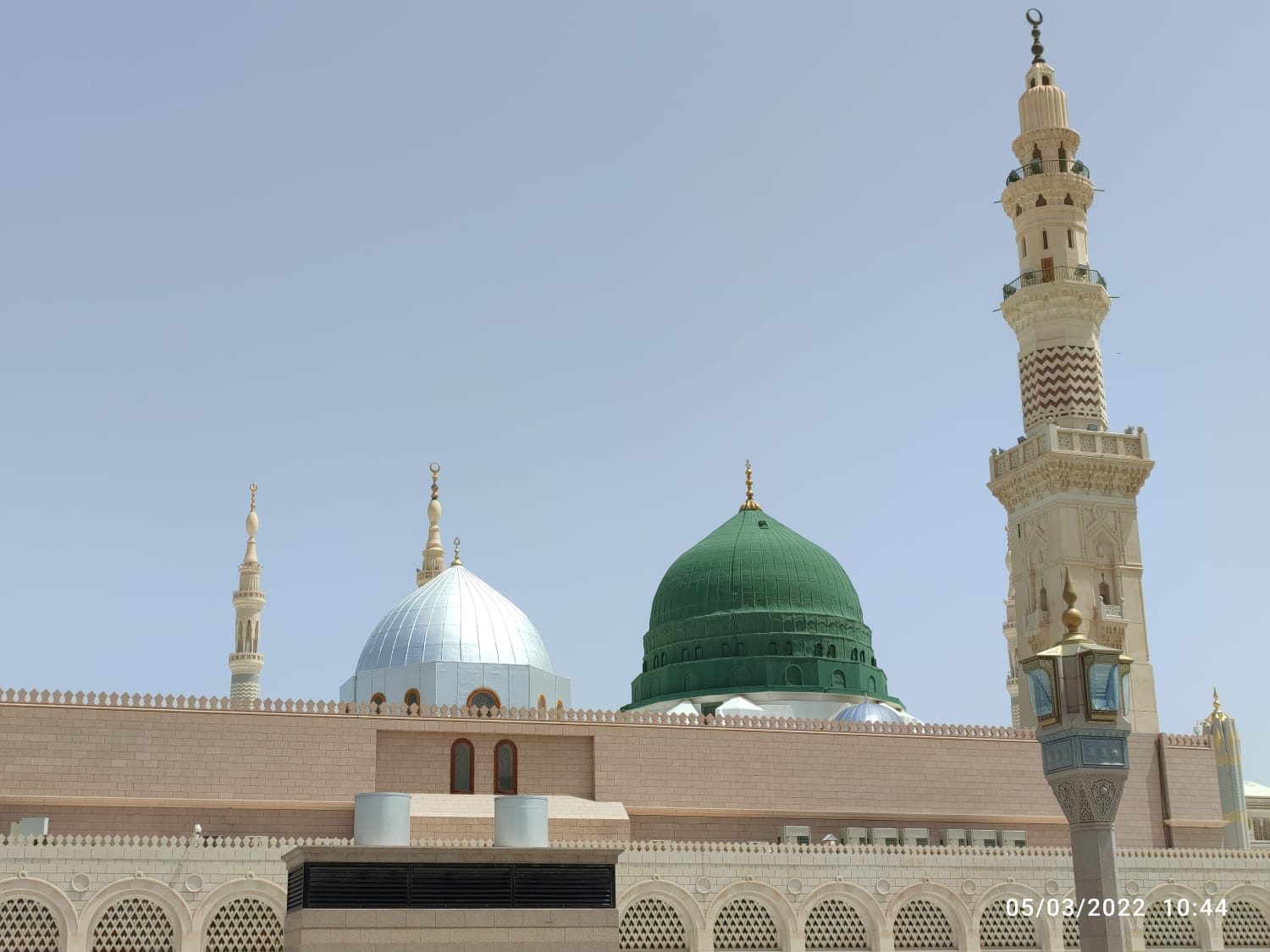
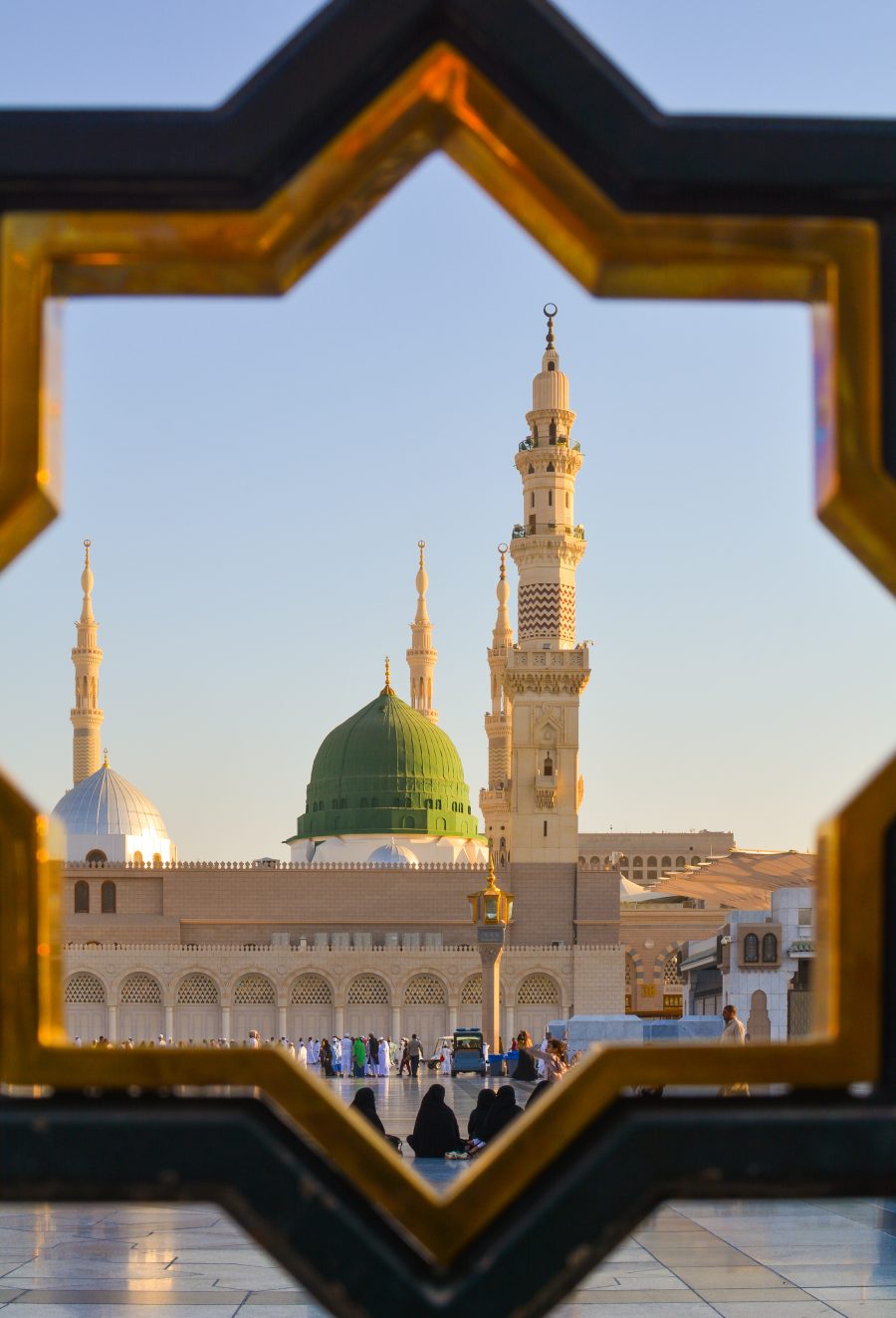
Madinah (also spelled Medina) is the second-holiest city in Islam, after Makkah. It is where the Prophet Muhammad migrated to in 622 CE, where he is buried, and where Al-Masjid an-Nabawi (the Prophet's Mosque) stands. It lies in the Hejaz region of western Saudi Arabia, roughly 340–400 km north of Makkah, and is a common stop for pilgrims performing Hajj or Umrah, as well as a destination for ziyarah — a devotional, non-obligatory visit.
Where Madinah is
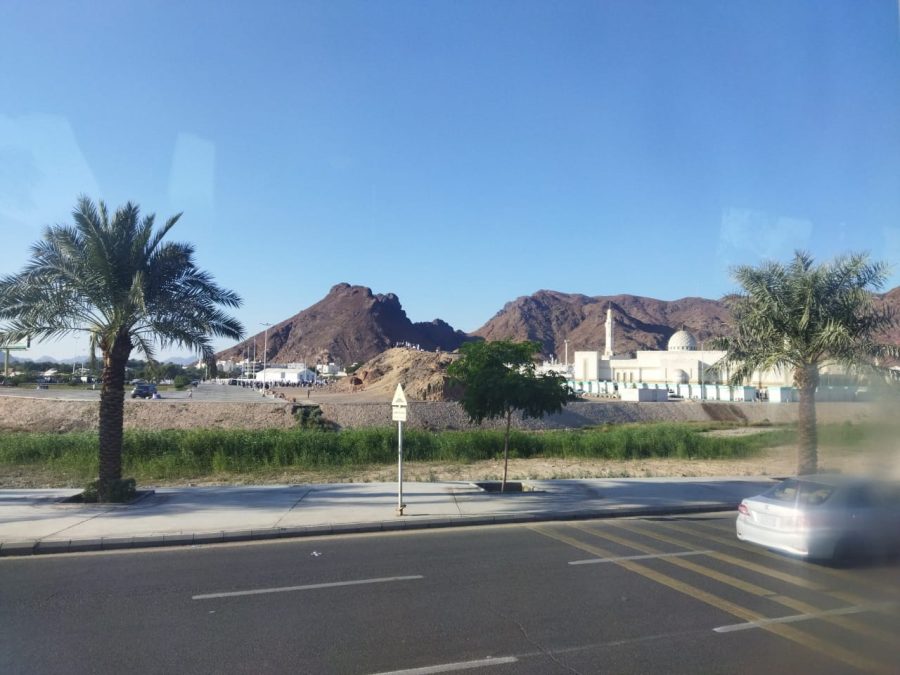
Madinah sits in the Hejaz region of western Saudi Arabia at an elevation of roughly 620 m, with Mount Uhud — the highest peak in its immediate vicinity, at about 1,077 m — visible just north of the city. It is connected to Makkah and Jeddah by the Haramain High-Speed Rail, which covers the Madinah–Makkah route in under three hours.
| Quick facts | |
|---|---|
| Region | Madinah Province, Hejaz, Saudi Arabia |
| Elevation | ≈ 620 m above sea level |
| Distance from Makkah | ≈ 340–400 km by road; under 3 hours by Haramain High-Speed Rail |
| Nearest airport | Prince Mohammad bin Abdulaziz International Airport |
| Notable nearby landmark | Mount Uhud (≈ 1,077 m), just north of the city |
Why Madinah is significant
Madinah is central to Islamic history as the city the Prophet Muhammad migrated to from Makkah in 622 CE — an event known as the Hijrah, which marks year one of the Islamic calendar. On arrival, he is understood to have established the Constitution of Medina, an agreement governing relations between the city's different communities. Al-Masjid an-Nabawi, the mosque he founded, contains his burial site, which is why many Muslims undertake ziyarah — a devotional visit to the mosque — while in the region; ziyarah is a matter of religious practice and personal devotion, not one of the obligatory rites of Hajj or Umrah.
A brief history of Madinah
Before Islam, the settlement was known as Yathrib and had been inhabited since at least the 9th century BCE, home over time to Jewish tribes and the Arab tribes of Aws and Khazraj. After the Hijrah in 622 CE, the city became the capital of the early Muslim community and, later, of the Rashidun Caliphate, until Caliph Ali relocated the capital to Kufa. Two significant early battles, at Uhud (625 CE) and the Trench (627 CE), took place in the city's immediate vicinity. Political control subsequently passed through Umayyad, Abbasid, Mamluk and Ottoman rule before Madinah came under Saudi control in December 1925. As with any historical summary, single-source figures should be treated as approximate unless corroborated by a current official source.
| Period | Event |
|---|---|
| Pre-Islamic era | Known as Yathrib; inhabited from at least the 9th century BCE by Jewish and Arab tribes. |
| 622 CE | The Hijrah: the Prophet Muhammad and his followers migrate from Makkah to Yathrib, which becomes known as Madinah. |
| 625 CE | The Battle of Uhud is fought near the city, at Mount Uhud. |
| 627 CE | The Battle of the Trench is fought in defence of the city. |
| 632–661 CE | Madinah serves as the capital of the early Muslim community and the Rashidun Caliphate. |
| 7th–20th centuries | Political control passes through Umayyad, Abbasid, Mamluk and Ottoman rule. |
| 5 December 1925 | Madinah comes under the control of what becomes the Kingdom of Saudi Arabia (1932). |
| 1950s–present | Successive large-scale expansions of Al-Masjid an-Nabawi to accommodate growing numbers of visitors. |
Getting to and around Madinah
Madinah is served by Prince Mohammad bin Abdulaziz International Airport, and by the Haramain High-Speed Rail, which links it to Jeddah and Makkah. Within the city, taxis, ride-hailing apps and shuttle buses serve hotels and the area around the mosque.
Visitor access: how Madinah differs from Makkah
Unlike Makkah, the city of Madinah as a whole is open to non-Muslims — its hotels, restaurants, shopping areas, museums and many cultural sites can be visited by anyone. What remains restricted to Muslims is the core Haram zone immediately around Al-Masjid an-Nabawi itself; non-Muslims are not permitted to enter the mosque or its inner precinct, though the boundary is marked on maps and by signage in the city. This distinction — open city, restricted mosque precinct — is different from Makkah, where the entire city is closed to non-Muslims, and travellers should not assume the two rules are the same.
Frequently asked questions
Can non-Muslims visit Madinah?
Yes, with a specific limit. Non-Muslims may visit the city of Madinah itself, including its hotels, shops and many cultural sites. What is restricted is the Haram zone immediately around Al-Masjid an-Nabawi — non-Muslims are not permitted inside the mosque or its inner precinct. This is different from Makkah, where the whole city is closed to non-Muslims.
What is ziyarah, and is it required?
Ziyarah is a devotional visit to Al-Masjid an-Nabawi and the Prophet's burial site. It is a matter of religious practice, not one of the obligatory rites of Hajj or Umrah, and many pilgrims choose to combine it with their journey without it being a formal requirement of either pilgrimage.
How far is Madinah from Makkah?
Roughly 340–400 km by road depending on route, or under three hours by the Haramain High-Speed Rail.
What is the nearest airport to Madinah?
Prince Mohammad bin Abdulaziz International Airport serves the city directly.
Sources & further reading
Content verified: 2026-09-23