
Madinah: Places to Visit
An illustrated directory of sacred and historical sites
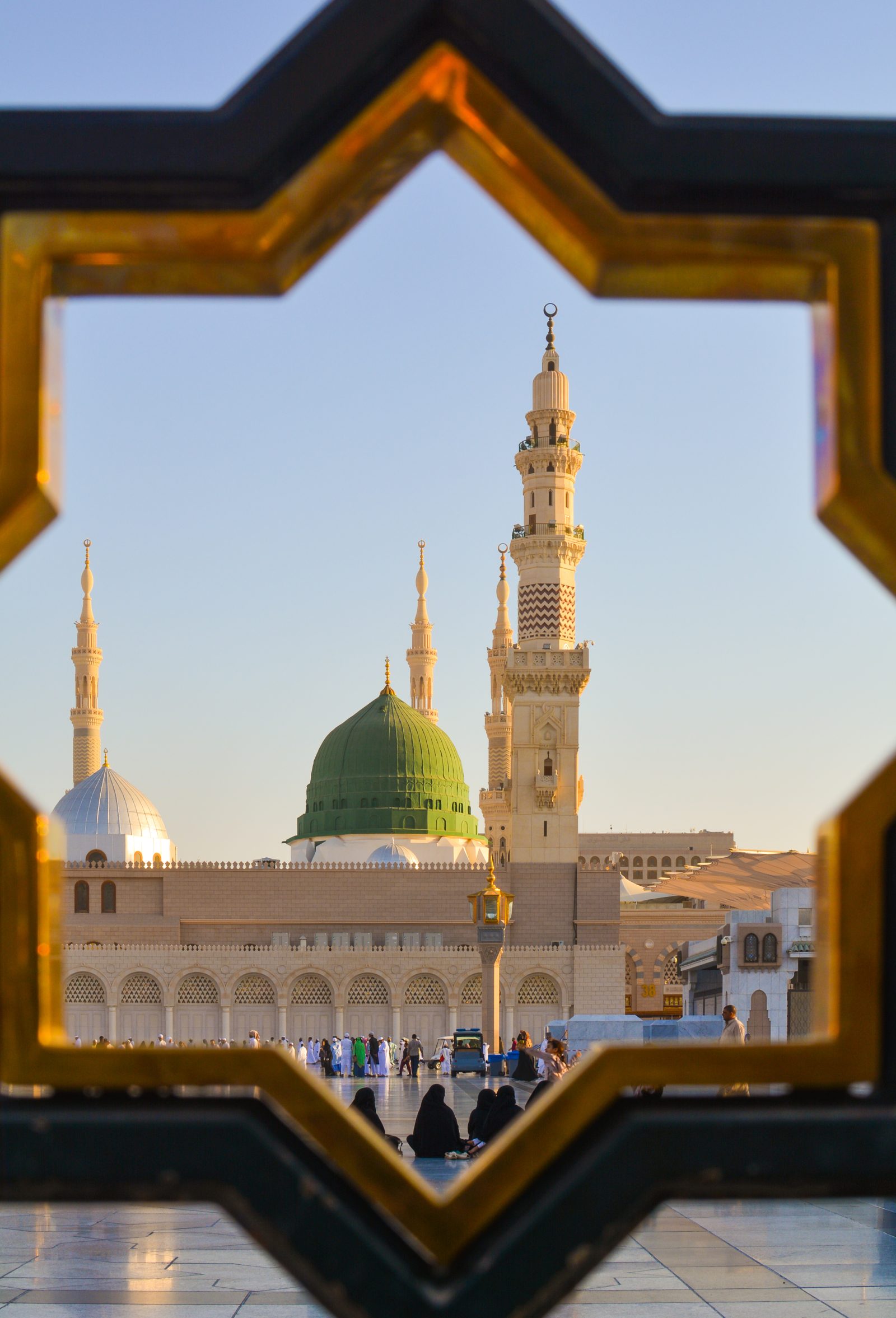
This directory introduces the most significant places in and around Madinah: the Prophet's Mosque itself, historic mosques within the city, and Mount Uhud just north of the centre. Each entry is a short introduction, not a full guide — where a dedicated page exists, it's linked below. Unlike Makkah, the city of Madinah is open to non-Muslims — only the Haram zone immediately around Al-Masjid an-Nabawi is restricted, as covered on the Madinah city guide.
Al-Masjid an-Nabawi (Mosque)
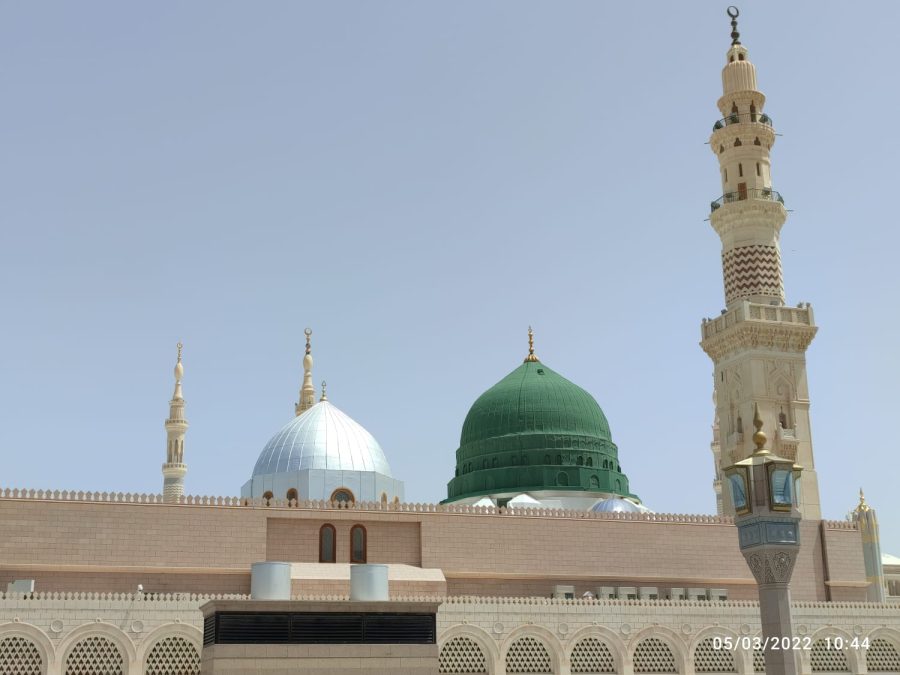
The Prophet's Mosque, containing his burial chamber beneath the Green Dome, is the second-holiest site in Islam. See our full guide to visiting the Prophet's Mosque, including a separate section on the Rawdah and its current booking process.
Quba Mosque (Mosque)
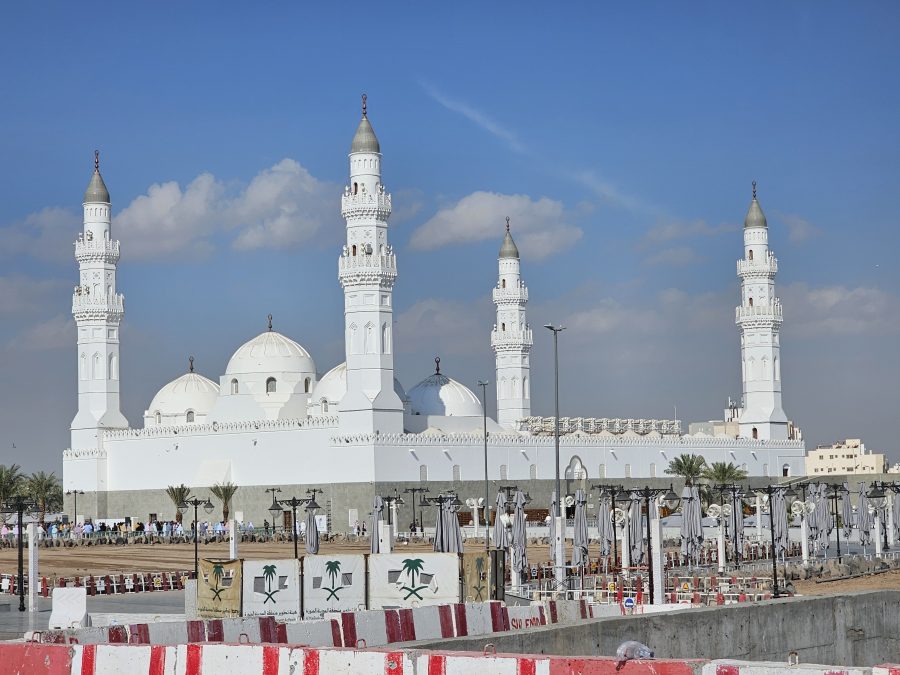
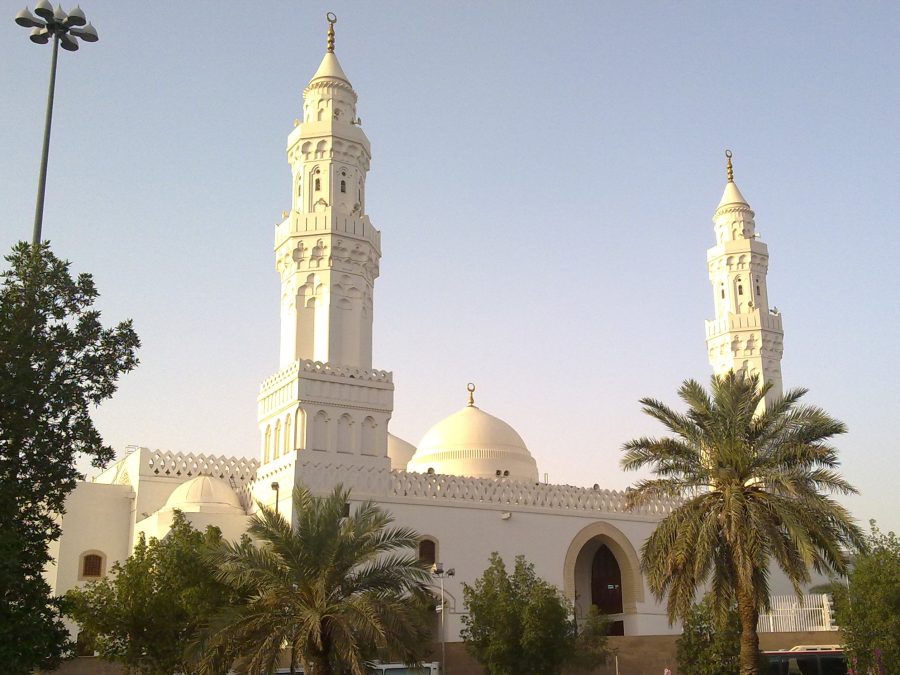
Widely described as the first mosque built in Islam, founded by the Prophet Muhammad shortly after his arrival near Madinah in 622 CE. It has been rebuilt and expanded many times since, most recently under a major expansion announced in 2022; today it's a large, active mosque a short distance from central Madinah. Islamic tradition holds that prayer here carries reward comparable to performing an Umrah — stated here as a matter of belief, not documented fact.
Masjid al-Qiblatayn (Mosque of the Two Qiblas) (Mosque)
A mosque roughly 5 km from Al-Masjid an-Nabawi that Islamic tradition associates with the change in prayer direction from Jerusalem to Makkah. The original Jerusalem-facing mihrab was removed during a 1987 reconstruction, though a marker remains. As of a late-2025 directive, the mosque has reportedly been opened 24 hours a day — a recent change worth confirming before visiting at unusual hours.
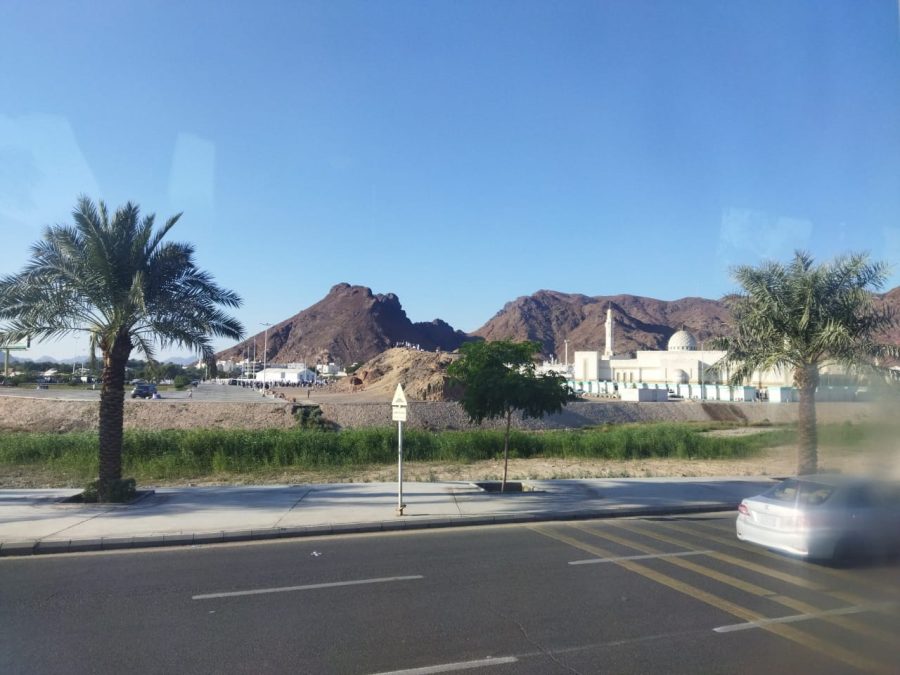
Mount Uhud (Historical site)
The mountain just north of Madinah near which the Battle of Uhud was fought in 625 CE — a documented historical event, already covered on our Madinah city guide. It remains a site of historical visitation rather than a place of worship.
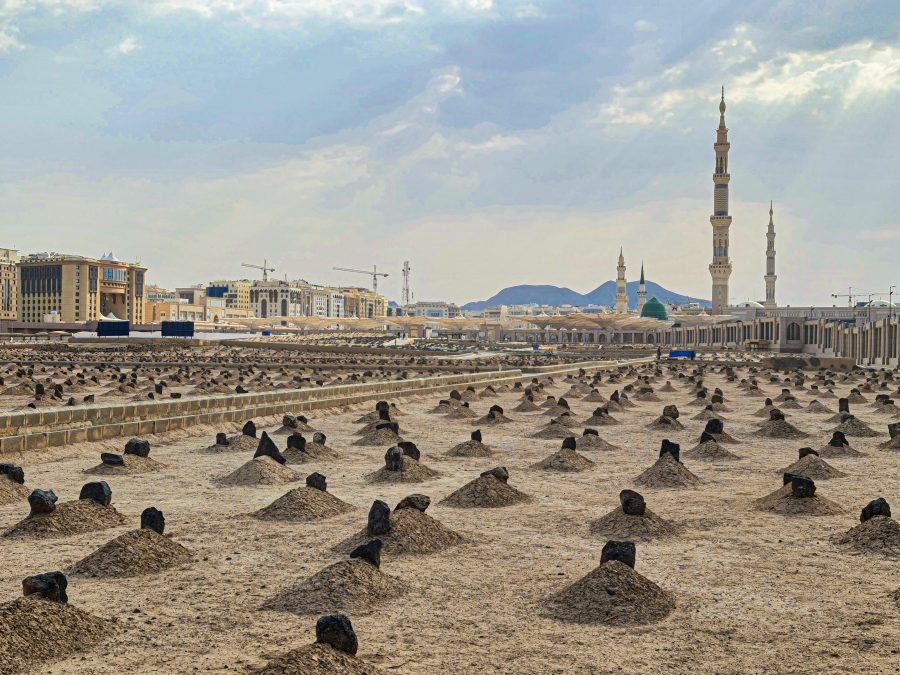
Al-Baqi Cemetery (Cemetery)
The oldest Islamic cemetery in Madinah, southeast of Al-Masjid an-Nabawi, traditionally held to be the burial place of many of the Prophet's family members and companions. Grave markers and mausoleums here were demolished in 1925–26; graves today are simple and unmarked, a documented and still-debated historical episode. Commonly reported (though not confirmed via a primary official source) visiting customs include restricted hours around Fajr and Asr prayers, entry generally limited to men, and a strict no-photography rule inside — treat these as commonly reported practice rather than a stated formal rule, and expect no photography regardless.
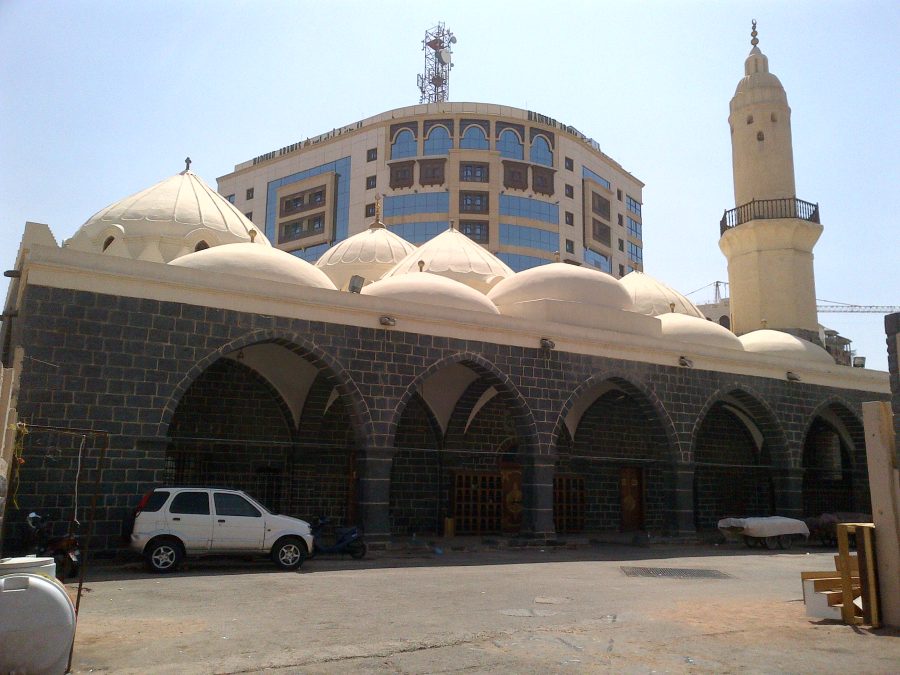
Al-Ghamamah Mosque (Mosque)
A mosque west of Al-Masjid an-Nabawi with a history going back to the early Islamic period, since rebuilt and renovated multiple times including in the Ottoman and Saudi eras. Its name ("the cloud") relates to a hadith-based tradition about a rain prayer performed here, distinct from any independently documented fact. It functions today as an active mosque for all five daily prayers.
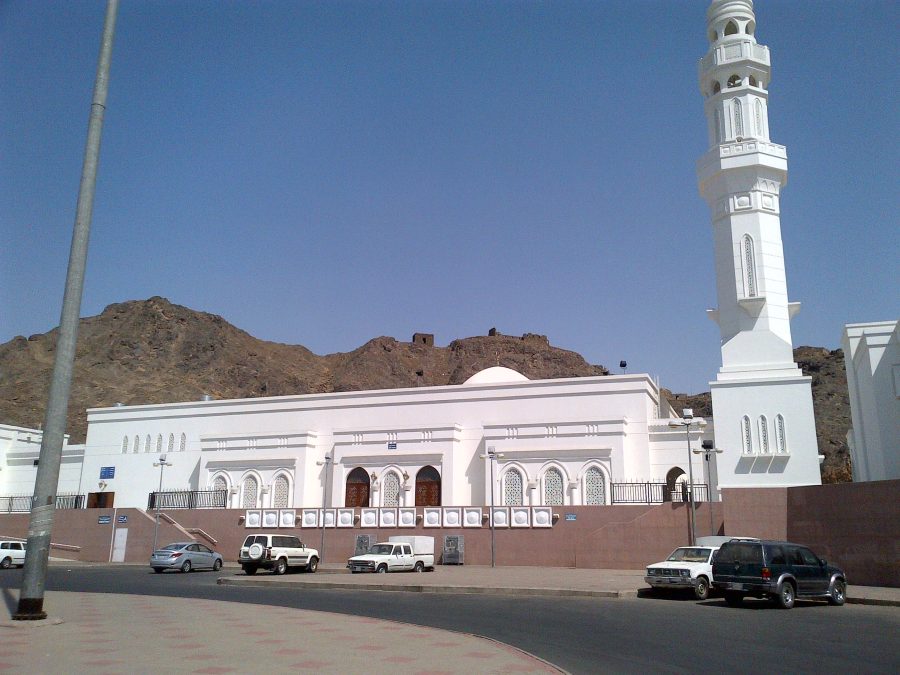
The Seven Mosques (Historical/religious site)
A cluster of small historic mosques on the western slope of Mount Sala', each traditionally associated with a companion who took part in defending Madinah during the Battle of the Trench (Khandaq) in 627 CE, already covered on our Madinah city guide. Sources vary on the exact list making up "seven" — some count six named mosques and add others to round out the number — so this page doesn't state a single definitive list. They're commonly visited together as a group.
Frequently asked questions
Can non-Muslims visit these places?
The city of Madinah itself is open to non-Muslims, so most of these sites can be visited — but Al-Masjid an-Nabawi's inner precinct is restricted to Muslims, as covered on our Madinah city guide. Check current rules for each specific site before visiting, since practices can vary and change.
Is Al-Baqi cemetery open to everyone?
Reportedly, entry is generally limited to men and restricted to certain hours, with photography prohibited inside — these are commonly reported visiting customs, not a confirmed official rule from a primary source, so treat them as a starting expectation rather than a guarantee.
Are the Seven Mosques still used for prayer?
Yes, they remain active religious sites, and are commonly visited together as a historical ziyarah circuit rather than as a single formal attraction.
Sources & further reading
- Nusuk — official Ministry of Hajj & Umrah platform
- Wikipedia — Quba Mosque
- Wikipedia — Masjid al-Qiblatayn
- Wikipedia — Al-Baqi'
- Wikipedia — Mosque of Al-Ghamama
- Wikipedia — The Seven Mosques
Content verified: 2026-09-23